Deciding What to Put on a Long Wall in a Guest Bedroom
How intentional styling, thoughtful details, and subtle design choices created a cozy, elevated space guests actually want to stay in.
Before we talk about what I added to my guest bedroom, I want to talk about something just as important: the pause.
That moment where you stand in a room, look at a long, empty wall, and realize it has potential—but you don’t want to rush it.
Long walls can feel intimidating. They’re too big to ignore, but too prominent to decorate carelessly. And in a guest bedroom especially, the goal isn’t to overwhelm the space. It’s to create comfort, calm, and a sense of ease—without clutter.
This guest bedroom project wasn’t about filling every inch. It was about curating the right elements so the room feels complete, intentional, and welcoming.
Starting With the Purpose of the Room
Before choosing decor, I always ask one foundational question:
How do I want this room to feel for the person using it?
This is a guest bedroom. That means:
• Comfort over statement
• Calm over bold
• Thoughtful function over excess decor
I wanted the space to feel:
• Relaxing
• Clean
• Warm
• Elevated but not formal
• Similar to a well-designed Airbnb or boutique stay
Guests shouldn’t have to figure anything out. The room should gently guide them—where to sit, where to place their things, how to unwind. That mindset shaped every decision I made.
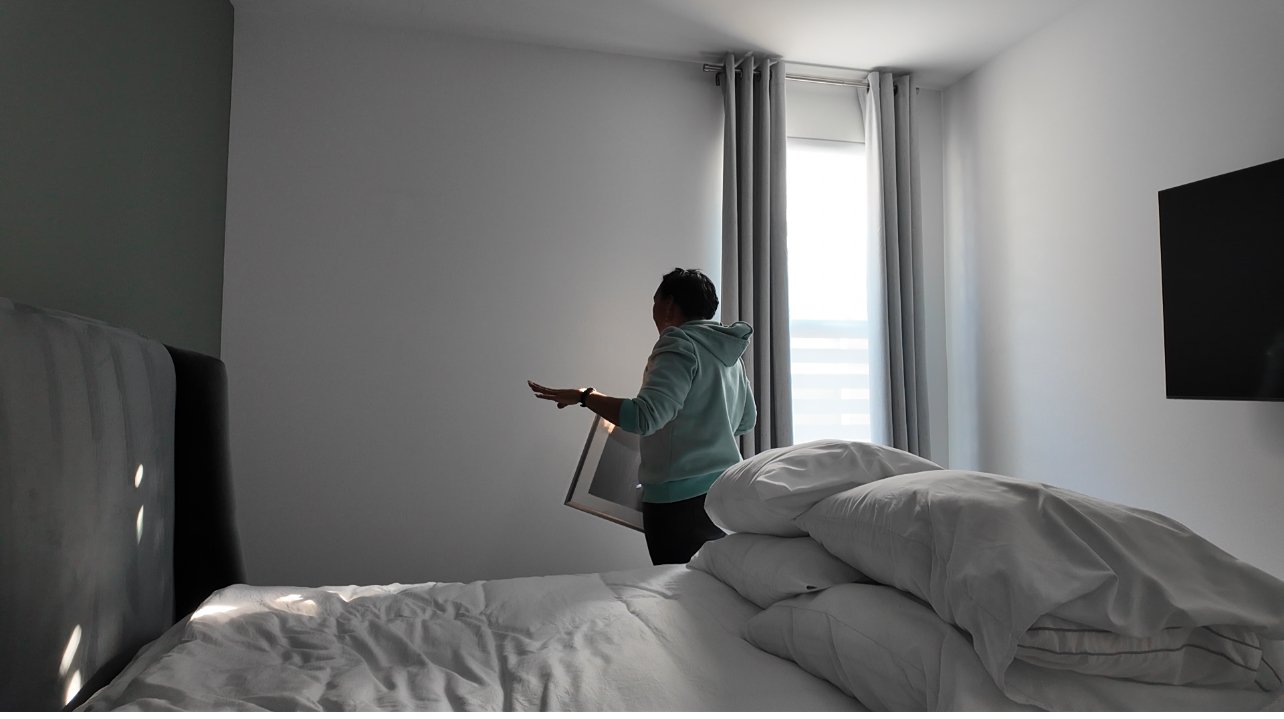
The Challenge: An Empty Long Wall
The long wall in this guest bedroom was visually dominant. Leaving it bare made the room feel unfinished, but overcrowding it would disrupt the calm.
I didn’t want:
• A gallery wall that felt busy
• Oversized art that overwhelmed the bed
• Heavy furniture that ate up floor space
I wanted the wall to feel styled, grounded, and complete—without becoming the focal point that steals attention from rest.
Why I Chose Black and White Art Prints
Black and white art is one of my favorite design tools, especially in bedrooms. Here’s why it worked perfectly for this space:
1. It Adds Contrast Without Visual Noise
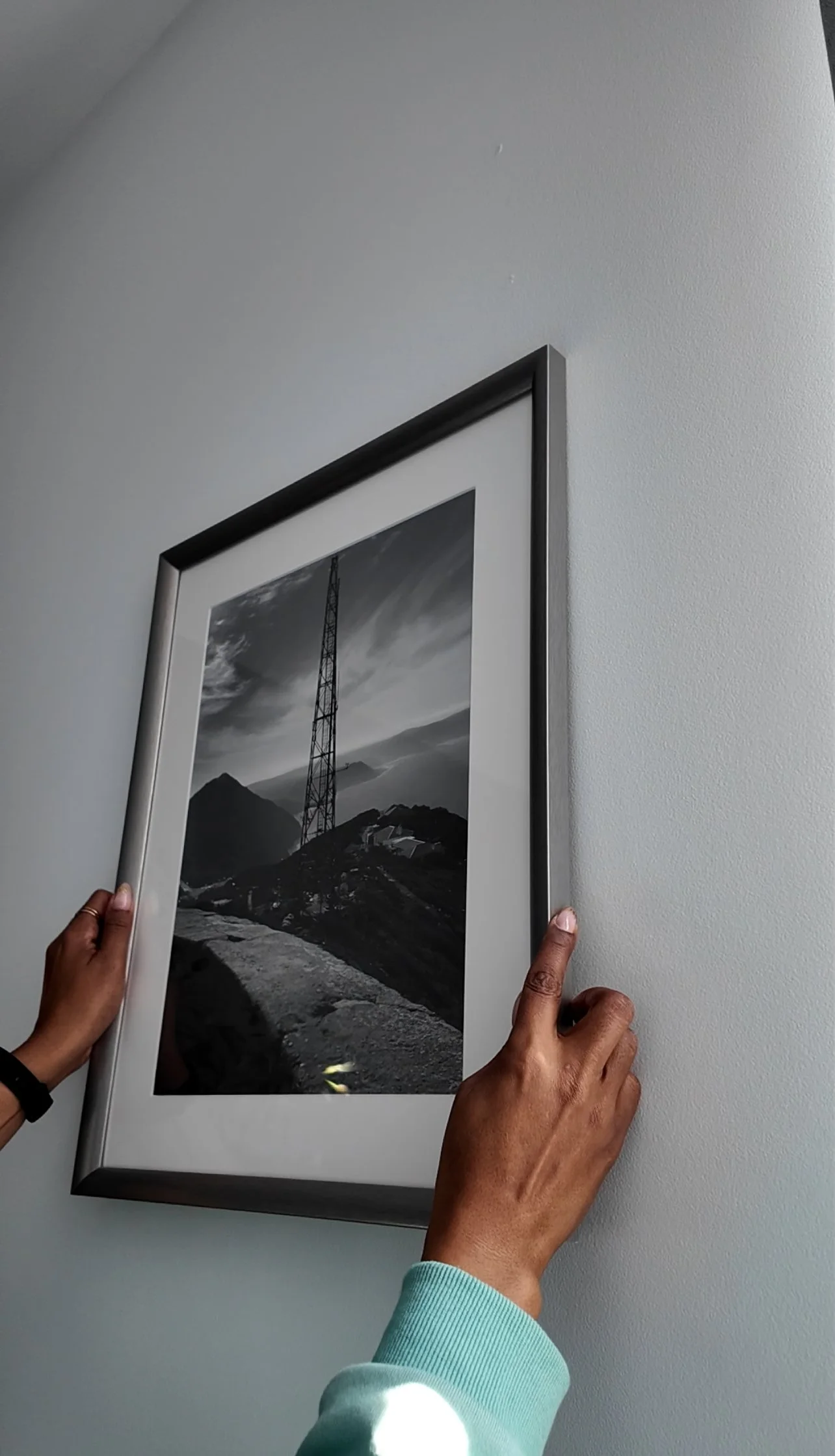
Colorful art can energize a space, but for a guest bedroom, black and white keeps things calm and balanced.
It adds:
• Structure
• Depth
• Visual interest
Without overwhelming the senses.
2. It Feels Timeless
Black and white artwork doesn’t chase trends. It anchors the room and allows other elements—like textiles, lighting, and greenery—to shine.
3. It Creates Cohesion
Because the rest of the room leans neutral, the artwork ties everything together instead of competing with it.
I arranged the prints intentionally, spacing them to fill the wall visually while leaving breathing room around each piece. That negative space is just as important as the art itself.
Dressing the Window: Blackout Drapes for Function and Style
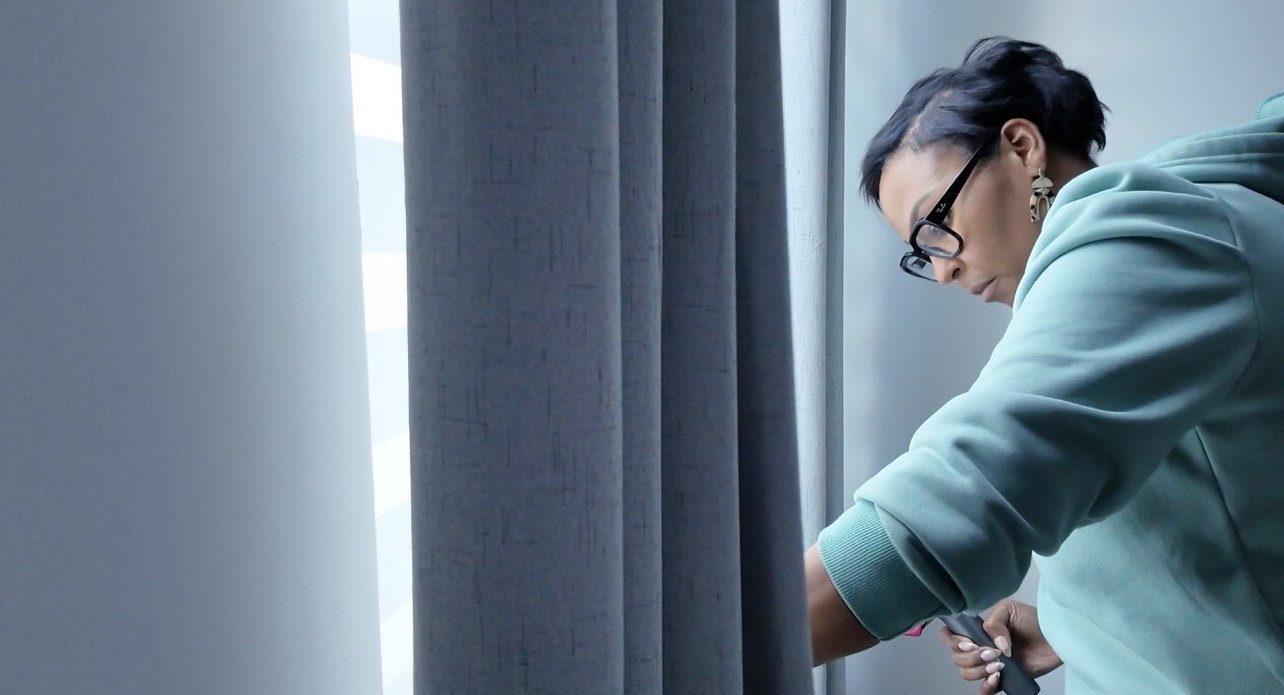
Next came the window. Windows are often overlooked when styling long walls, but they’re part of the composition. Leaving them underdressed can make the wall feel incomplete. I chose blackout drapes for two reasons:
1. Guest Comfort
Guests sleep differently. Some prefer complete darkness. Blackout curtains ensure:
• Better rest
• Privacy
• A hotel-like experience
2. Visual Softness
Fabric adds warmth. Drapes soften the wall and balance the structured lines of the artwork.
Removing Wrinkles the Easy Way
The curtains arrived wrinkled—which happens often.
Instead of stressing over it, I used a simple trick:
• Sprayed them with wrinkle release
• Placed them in the dryer
• Let the heat steam out the creases
It didn’t make them perfect, but it removed enough wrinkles to make them look polished and intentional.
Design doesn’t have to be complicated. Small practical solutions go a long way.
Adding Life Without Crowding: The Faux Olive Tree
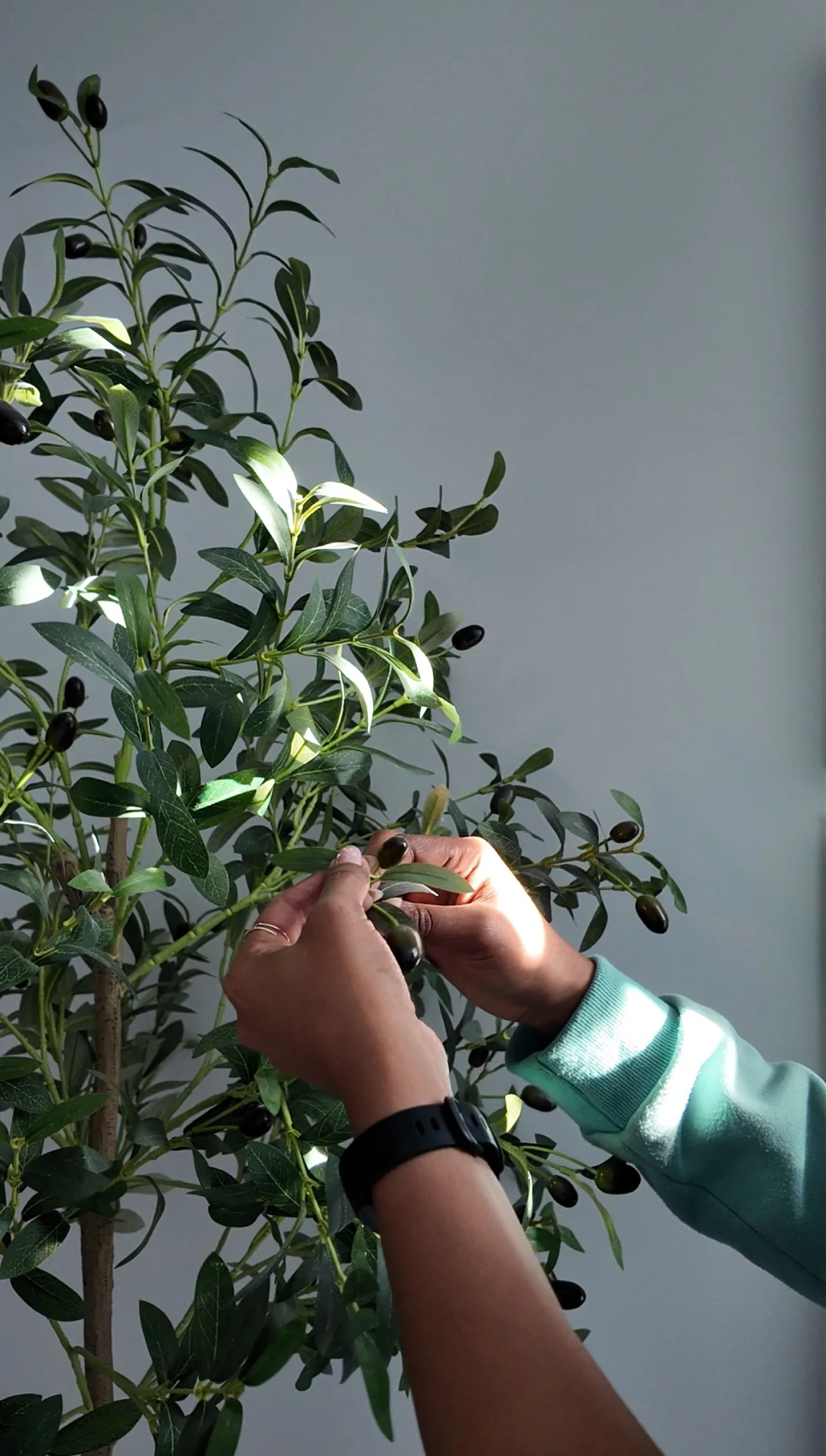
After the art and drapes were in place, the wall looked good—but it still needed something organic to soften it. That’s where the faux olive tree came in.
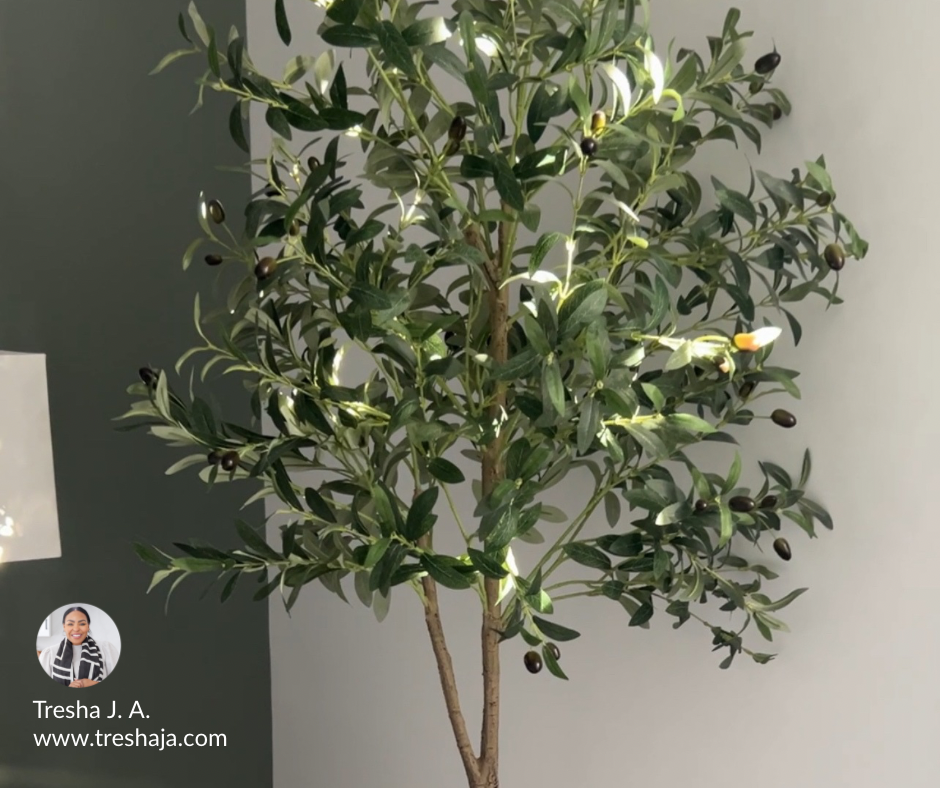
Why a Faux Tree Works Here
• Adds height without bulk
• Brings in a natural element
• Softens straight lines
• Makes the wall feel layered
I placed it next to the artwork—not directly centered—so it feels like part of the composition rather than an afterthought. The key here was restraint. One tree was enough. More would’ve felt crowded.
Rethinking Nightstands: Why I Chose End Tables Instead
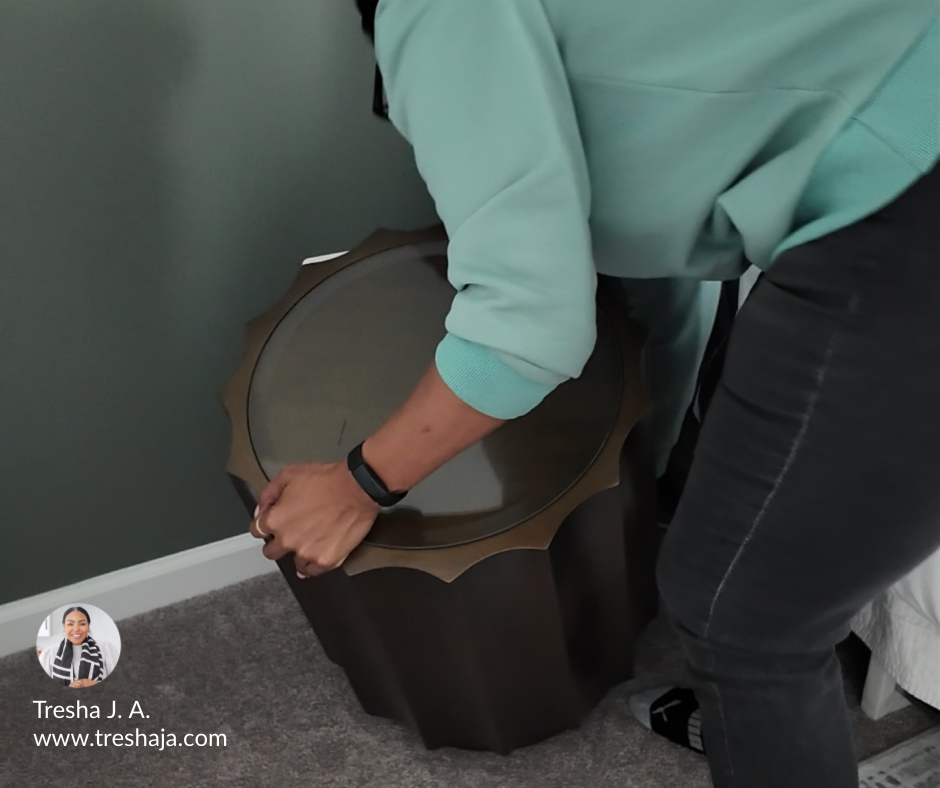
Traditional nightstands weren’t the right fit for this room.
I wanted:
• More floor space
• A lighter visual footprint
• A relaxed, Airbnb-inspired feel
So I chose end tables instead.
Why This Works
• They’re slimmer than nightstands
• They don’t dominate the room
• They still provide surface space for guests
Guests need:
• A place for their phone
• A lamp
• Water
• Maybe a book
Nothing more. Nothing less.
Lighting That Feels Thoughtful (and Easy for Guests)
Lighting is one of the most important elements in any bedroom—and it’s often done poorly. I added modern table lamps to each end table and then connected both lamps to a single extension cord.
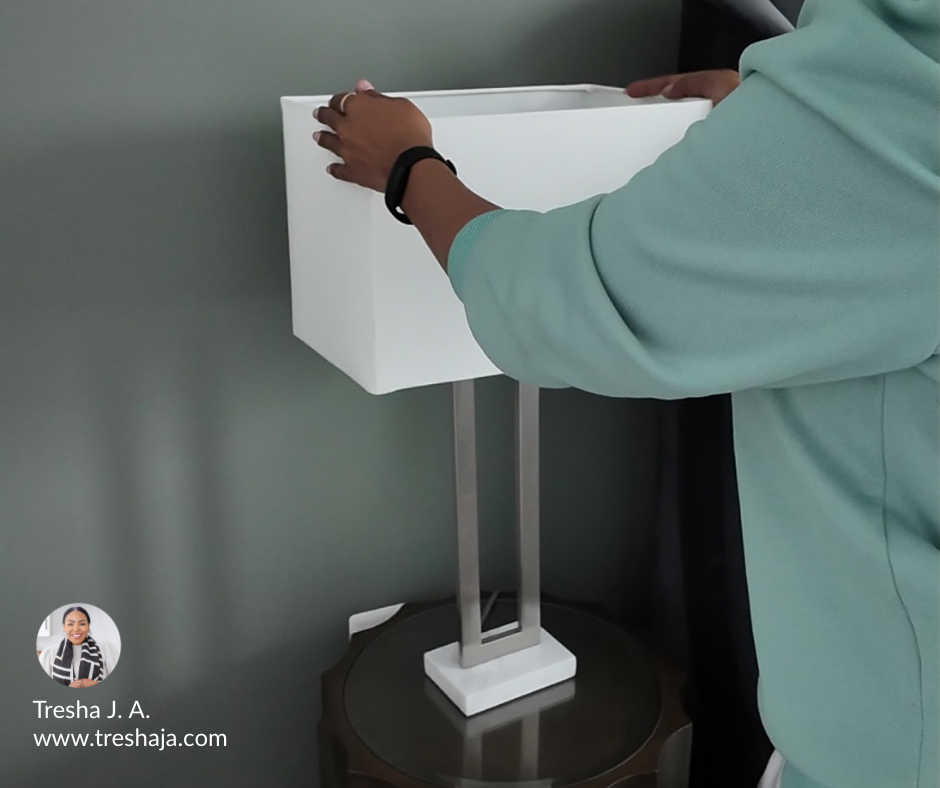
Why This Matters
Guests shouldn’t have to:
• Walk around the room to turn off lights
• Guess which switch controls what
• Feel unsure in an unfamiliar space
With this setup:
• One switch turns on both lamps
• The room feels intuitive
• The experience feels considered
This is the kind of detail that separates a basic room from a well-designed one.
Creating a Cohesive, Not Overdone Space
At this stage, the room feels:
• Calm
• Balanced
• Functional
• Complete—but not finished
And that’s intentional. Design doesn’t have to happen all at once. In fact, the best spaces evolve.
What’s Next for This Guest Bedroom
The next steps include:
• Decorating the wall above the bed
• Styling the TV wall
• Adding subtle finishing touches
I’ll be sharing those updates soon, so stay tuned. Design is a process, and I love letting it unfold naturally rather than forcing decisions.
Why This Approach Works for Any Home
What I want you to take from this isn’t just what I did—but how I thought through it.
Instead of asking:
• “What should I buy?”
Ask:
• “What does this space need?”
• “How do I want it to feel?”
• “What can I adjust before adding more?”
That shift saves time, money, and frustration.
Ready to Get Clarity on Your Own Space?
If you’re staring at a wall, a room, or a layout and feeling unsure what to do next—you don’t have to figure it out alone.
✨ Book a Design Clarity Session to get personalized guidance, layout ideas, and styling direction tailored to your home.
These sessions help you:
• Cut decision time in half
• Avoid costly mistakes
• Create a clear plan before buying anything
Sometimes all you need is clarity—and a designer’s eye—to move forward with confidence.
Shop My Finds