The Top 5 Home Decor Trends for 2026
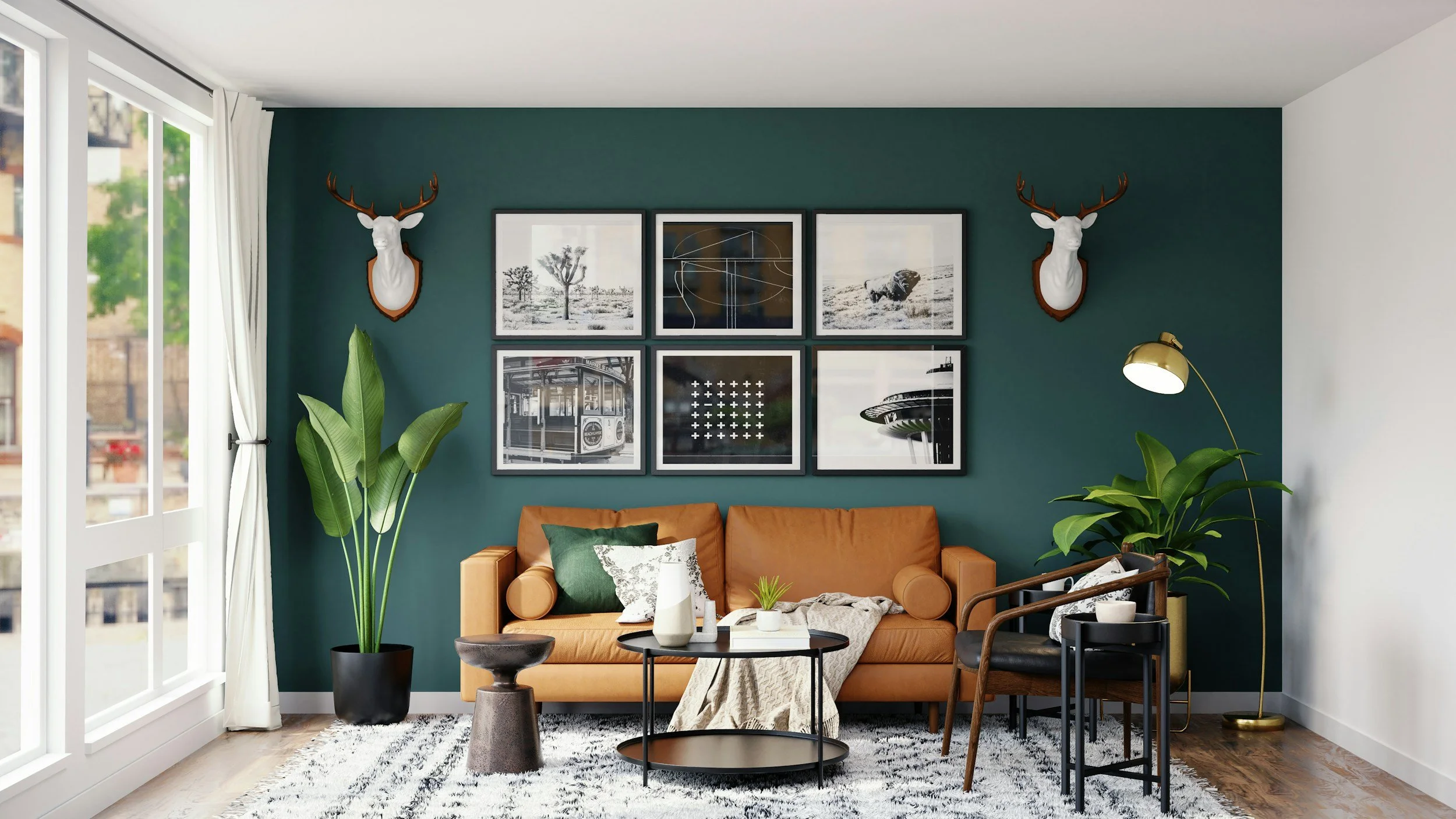
What’s evolving, what’s fading, and how to decorate with intention—not pressure.
Every year, new home decor trends flood our feeds. New colors. New materials. New “must-haves.” And while trends can be exciting, they can also leave people feeling overwhelmed, behind, or unsure if their home is still “relevant.”
Here’s the truth about 2026: Home decor is no longer about keeping up. It’s about alignment, longevity, and intention.
The trends emerging for 2026 are less about fast change and more about thoughtful evolution. Homes are becoming more personal, more expressive, more grounded—and more reflective of how people actually want to live.
In this post, I’m sharing The Top 5 Home Decor Trends for 2026, not from a place of hype, but from a design-forward, practical perspective. These trends aren’t meant to replace your style. They’re meant to support it.
You’ll notice a common thread throughout all five trends:
• Fewer rules
• More meaning
• Better flow
• Intentional choices
• A return to warmth and individuality
Let’s explore what 2026 is really bringing into our homes.
1. Intentional Warmth Replaces Cool Minimalism
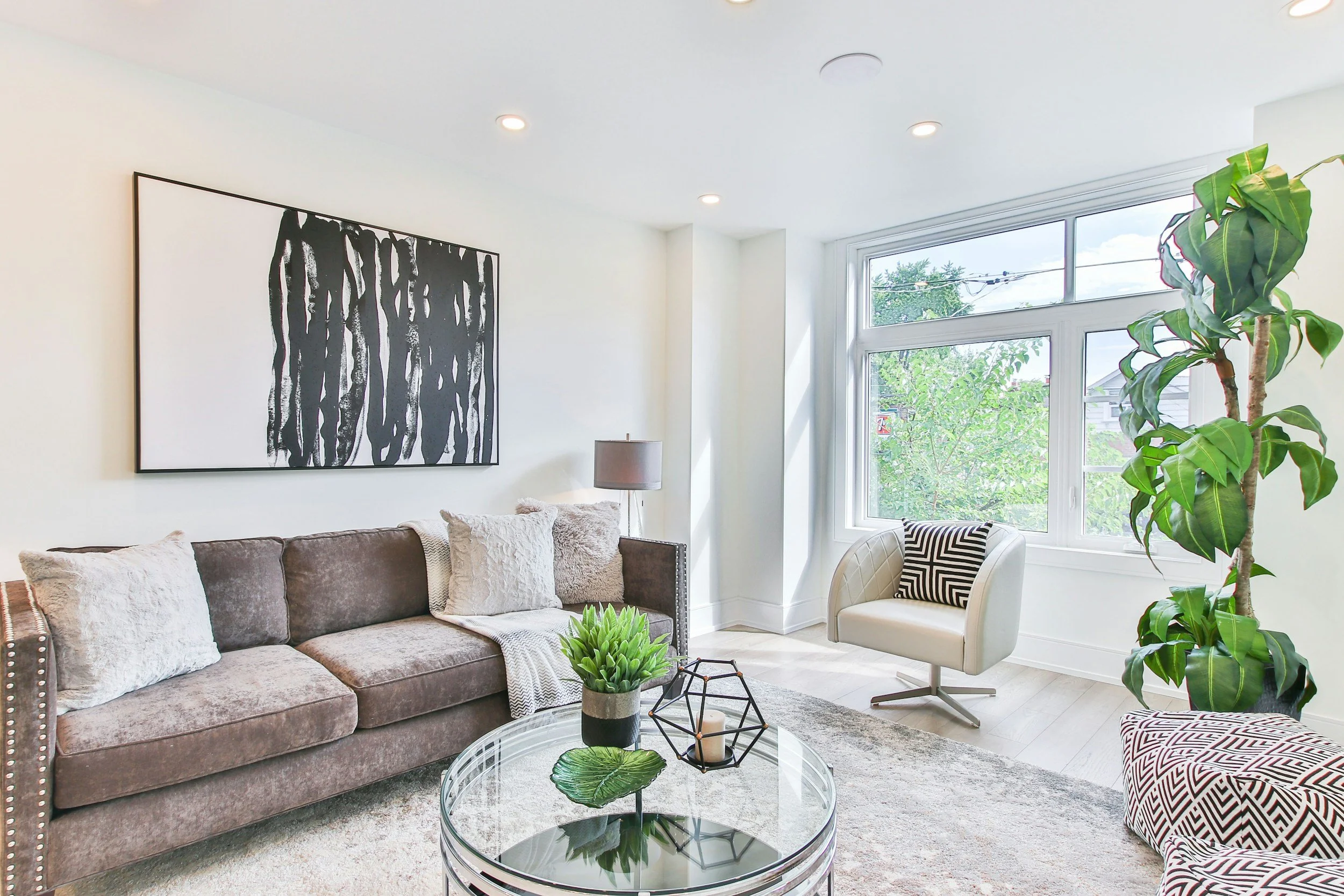
For years, minimalism dominated interiors—white walls, cool grays, stark spaces, and stripped-back styling. While minimalism isn’t disappearing entirely, 2026 marks a clear shift away from cold minimalism and toward intentional warmth. This isn’t about clutter. It’s about comfort.
What This Trend Looks Like
• Warm neutrals instead of stark whites
• Soft creams, taupes, and beiges with depth
• Muted earth tones layered thoughtfully
• Cozy textures balanced with clean lines
Spaces still feel calm and uncluttered—but they no longer feel sterile or impersonal.
Why This Shift Is Happening
People want homes that:
• Feel lived-in
• Support rest and recovery
• Encourage connection
• Reflect emotion, not perfection
Life has changed. Homes are now offices, creative studios, gathering spaces, and sanctuaries. The design is finally catching up.
How to Apply This Trend
You don’t need to repaint everything or buy new furniture. Small shifts make a big difference:
• Swap cool-toned pillows for warmer shades
• Introduce soft lighting
• Add layered textures like boucle, wool, or linen
• Replace bright white accents with cream or ivory
Warmth is now intentional—not accidental.
2. Decor That Feels Collected, Not Purchased All at Once
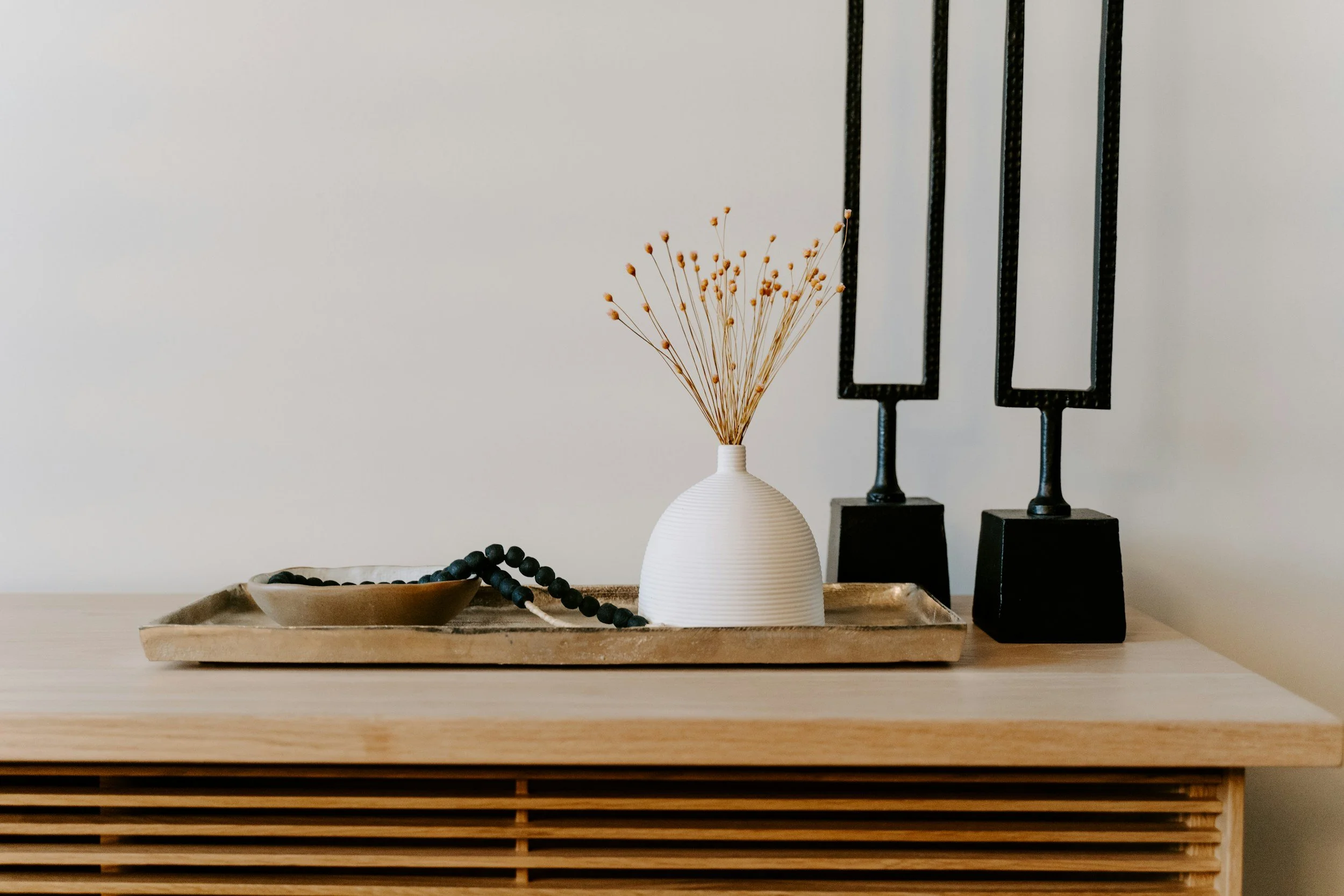
One of the biggest decor shifts for 2026 is the move away from overly coordinated rooms. Perfectly matched sets are giving way to spaces that feel collected over time. This trend is about authenticity.
What This Trend Looks Like
• Mixed materials and finishes
• Furniture and decor from different eras
• Art that tells a story
• Handmade or imperfect pieces
• Thoughtful contrast instead of uniformity
Rooms feel layered, personal, and unique—like they evolved naturally.
Why This Matters
People are tired of homes that look like showrooms. They want spaces that feel:
• Personal
• Lived-in
• Expressive
• Emotionally grounded
A home that feels collected tells a story. And stories resonate more than trends.
How to Apply This Trend
Start with what you already own:
• Keep the pieces that have meaning
• Mix in one or two contrasting styles
• Don’t rush to “fill” every space
• Let rooms evolve instead of forcing completion
2026 design embraces patience and personality.
3. Statement Lighting as Functional Art
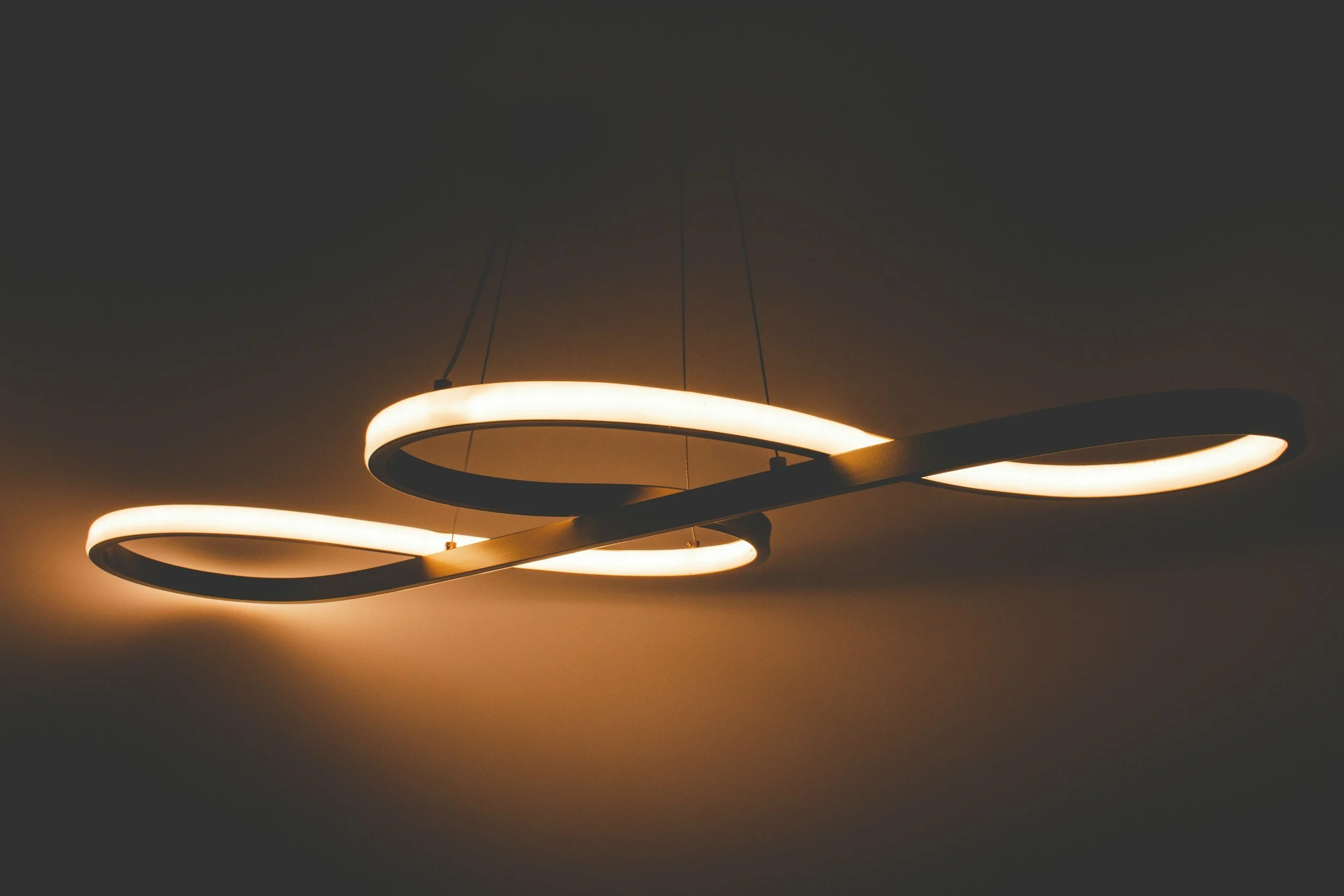
Lighting has officially moved beyond function. In 2026, lighting is art.
Rather than hiding fixtures or treating them as background elements, lighting is becoming a focal point—especially in living rooms, dining areas, bedrooms, and entryways.
What This Trend Looks Like
• Sculptural pendants
• Oversized floor lamps
• Mixed metal finishes
• Warm, layered lighting
• Fixtures that feel intentional and expressive
Lighting isn’t just something you turn on—it’s something you notice.
Why Lighting Is Taking Center Stage
Good lighting:
• Defines mood
• Shapes space
• Adds architectural interest
• Enhances textures and colors
As people simplify decor elsewhere, lighting becomes a way to add character without clutter.
How to Apply This Trend
• Replace generic fixtures with something sculptural
• Add a floor lamp where you’d normally add decor
• Use warm bulbs for a cozy glow
• Layer light sources instead of relying on overhead lighting
In 2026, lighting isn’t an afterthought—it’s a design decision.
4. Nature-Inspired Design Without Being Literal
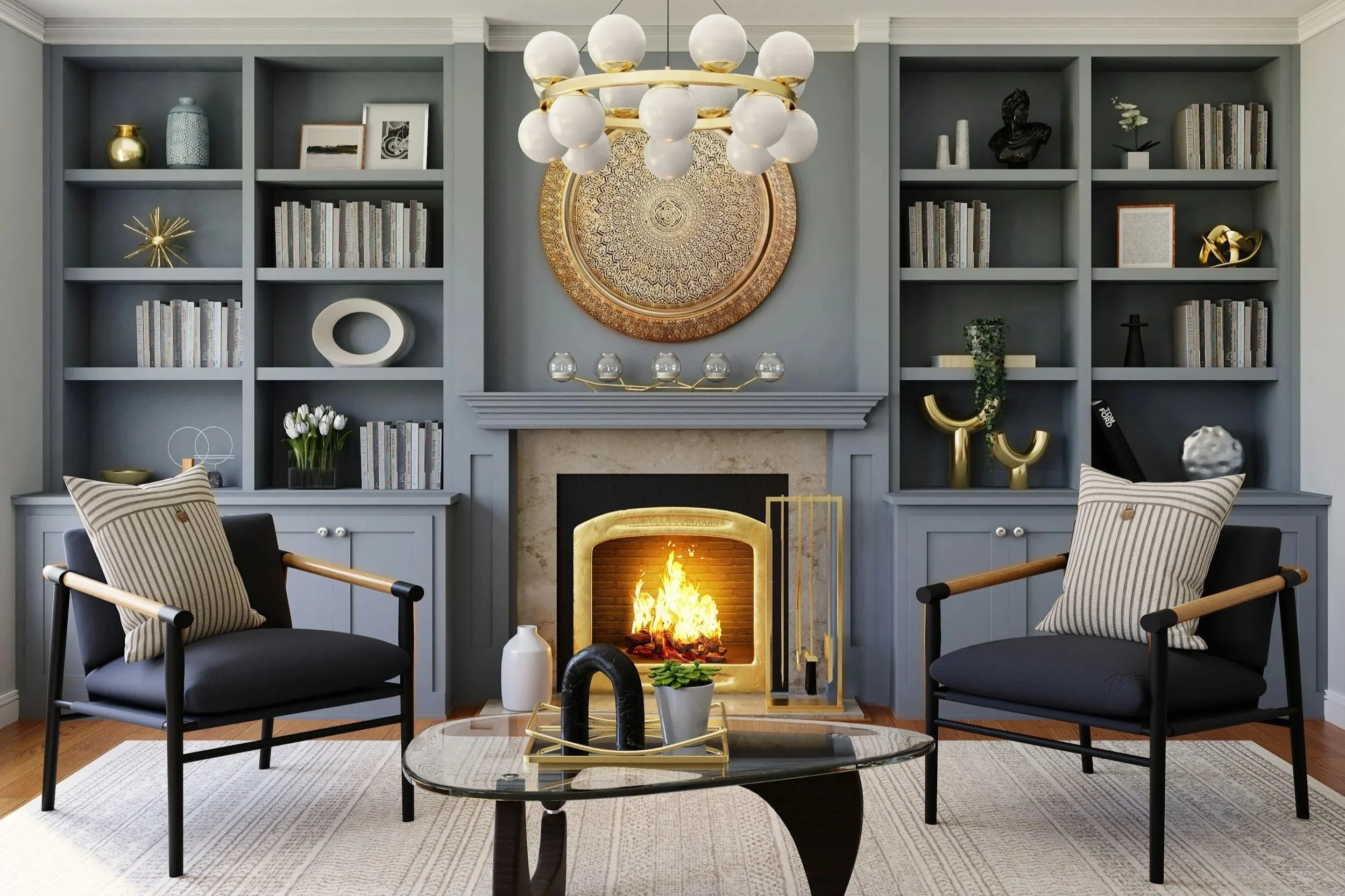
Biophilic design has been around for a while, but in 2026 it evolves into something more subtle and refined.
This isn’t about filling your home with plants or rustic decor. It’s about drawing inspiration from nature through form, texture, and color.
What This Trend Looks Like
• Organic shapes
• Earth-toned palettes
• Natural textures (wood, stone, clay)
• Soft curves instead of sharp angles
• Calm, grounded spaces
The influence of nature is felt—not staged.
Why This Shift Matters
Nature brings:
• Calm
• Balance
• Grounding energy
As life becomes more digital and fast-paced, people crave homes that slow them down.
How to Apply This Trend
• Choose furniture with rounded edges
• Add natural materials like wood or stone
• Use earthy colors rather than bold brights
• Introduce subtle greenery
You don’t need to mimic nature—you just need to respect it.
5. Fewer Trends, More Clarity-Based Design Choices
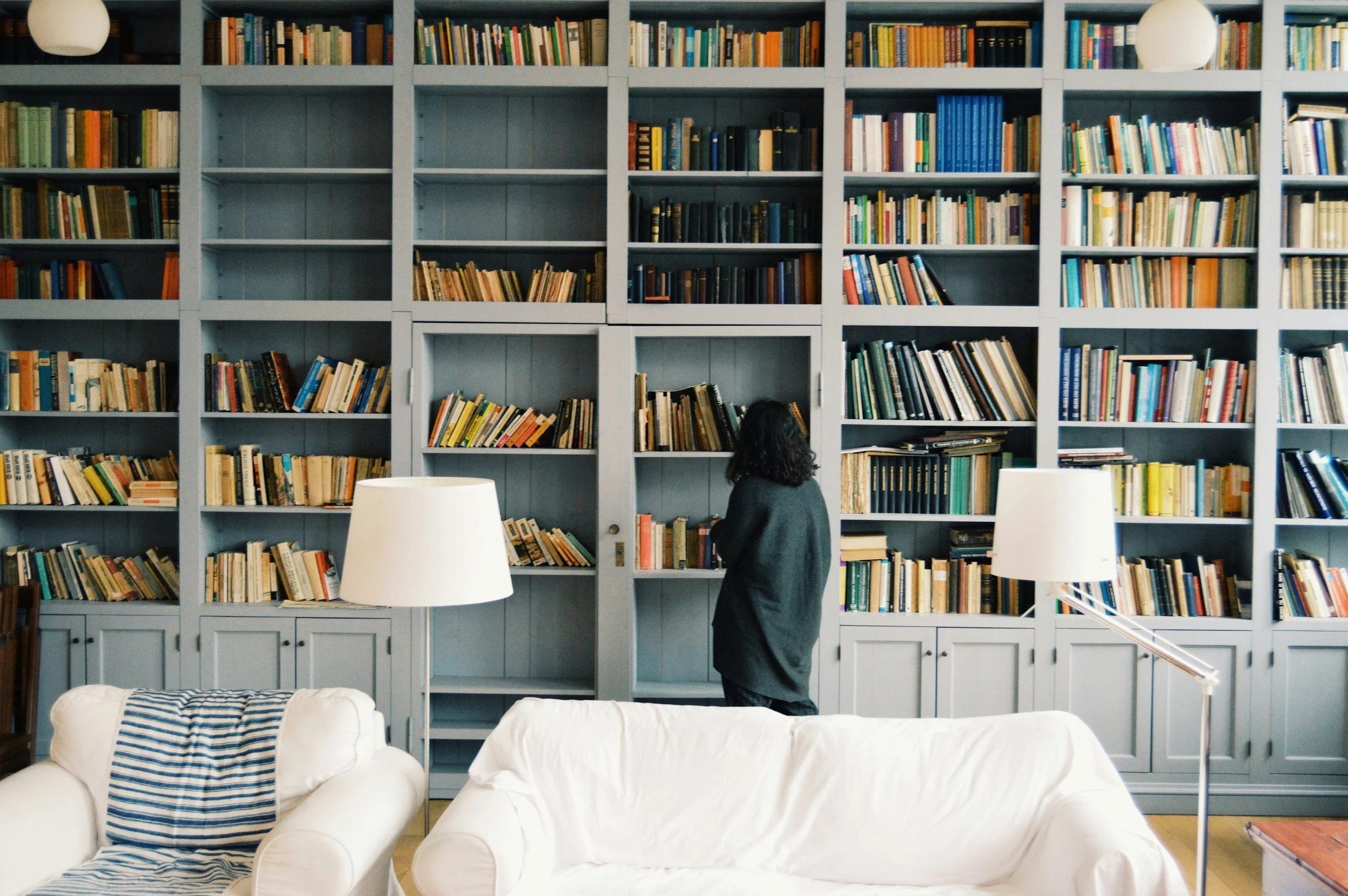
Perhaps the most important trend of 2026 isn’t a color, shape, or material—it’s a mindset.
People are moving away from trend-chasing altogether and toward clarity-based design.
What This Means
Instead of asking:
• “What’s trending?”
People are asking:
• “What works for me?”
• “How do I want this space to feel?”
• “What do I already own that supports that?”
Design is becoming more personal and less performative.
Why This Is the Future
Constantly updating your home is:
• Expensive
• Draining
• Unsustainable
Clarity-based design helps people:
• Save time
• Save money
• Make confident decisions
• Create spaces that actually support their life
This is where design meets intention.
How to Apply This Trend
Before making any purchase or change, ask:
• What is this space missing?
• What feels off right now?
• What feeling am I trying to create?
When you design from clarity, trends become optional—not overwhelming.
What’s Fading in 2026
As these trends rise, others quietly fade:
• Overly staged rooms
• Perfectly matching decor sets
• Cold, impersonal spaces
• Trend-driven impulse purchases
• Fast decor with no longevity
The shift isn’t dramatic—it’s intentional.
How to Use 2026 Trends Without Starting Over
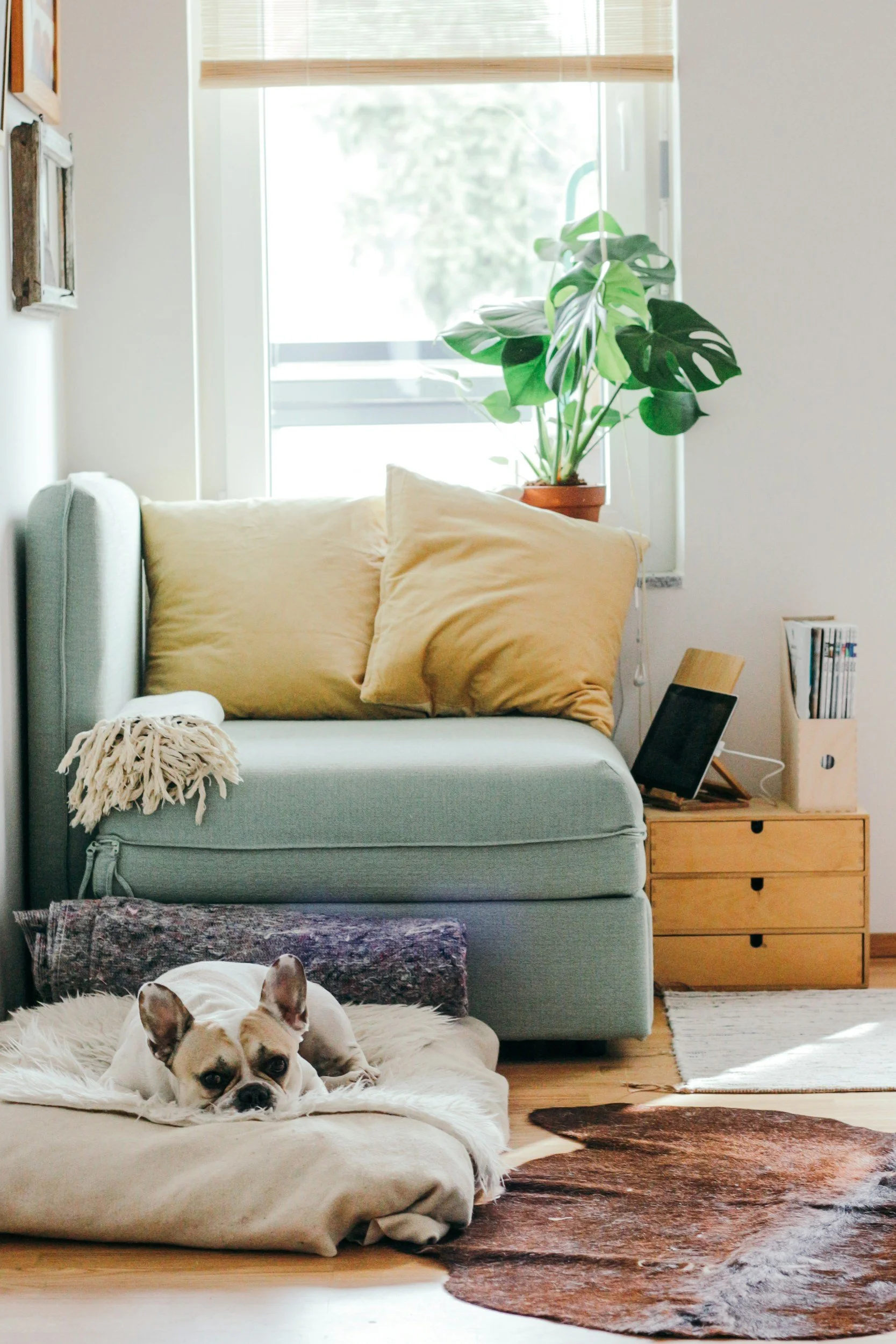
You don’t need to redo your entire home to align with 2026 design.
Instead:
• Refine what you already have
• Warm up your palette
• Invest in fewer, better pieces
• Let your home evolve naturally
The most beautiful homes in 2026 won’t be the trendiest—they’ll be the most thoughtfully designed.
Final Thoughts
The home decor trends of 2026 are less about what your home looks like—and more about how it feels.
Warmth replaces cold minimalism. Personality replaces perfection. Clarity replaces confusion.
And the best part? These trends invite you to trust yourself. Your home doesn’t need to look like anyone else’s. It just needs to support you.
Need Clarity on Your Home’s Design Direction?
If you’re feeling unsure about how to apply these trends—or how to make your home feel more aligned without starting from scratch—I can help.
✨ Book a Design Clarity Session to get personalized guidance, creative solutions, and a clear direction that works specifically for your home, your lifestyle, and your goals.
Clarity cuts the guesswork, saves time, and helps you move forward with confidence.
Shop My Finds